Roasted & rested
Controlled moisture and a hot surface can give mushrooms browned edges while preserving a yielding centre. A sauce is a separate decision, not a substitute for texture.
Explore kitchen techniqueAn independent forest dining journal
A mushroom is not simply a woodland accent. In contemporary Nordic kitchens, it can give a dish its structure, its savoury depth and its sense of season.
Follow that transformation from ingredient to dining room—with attention to technique, provenance and the questions worth asking.
Enter the forest journal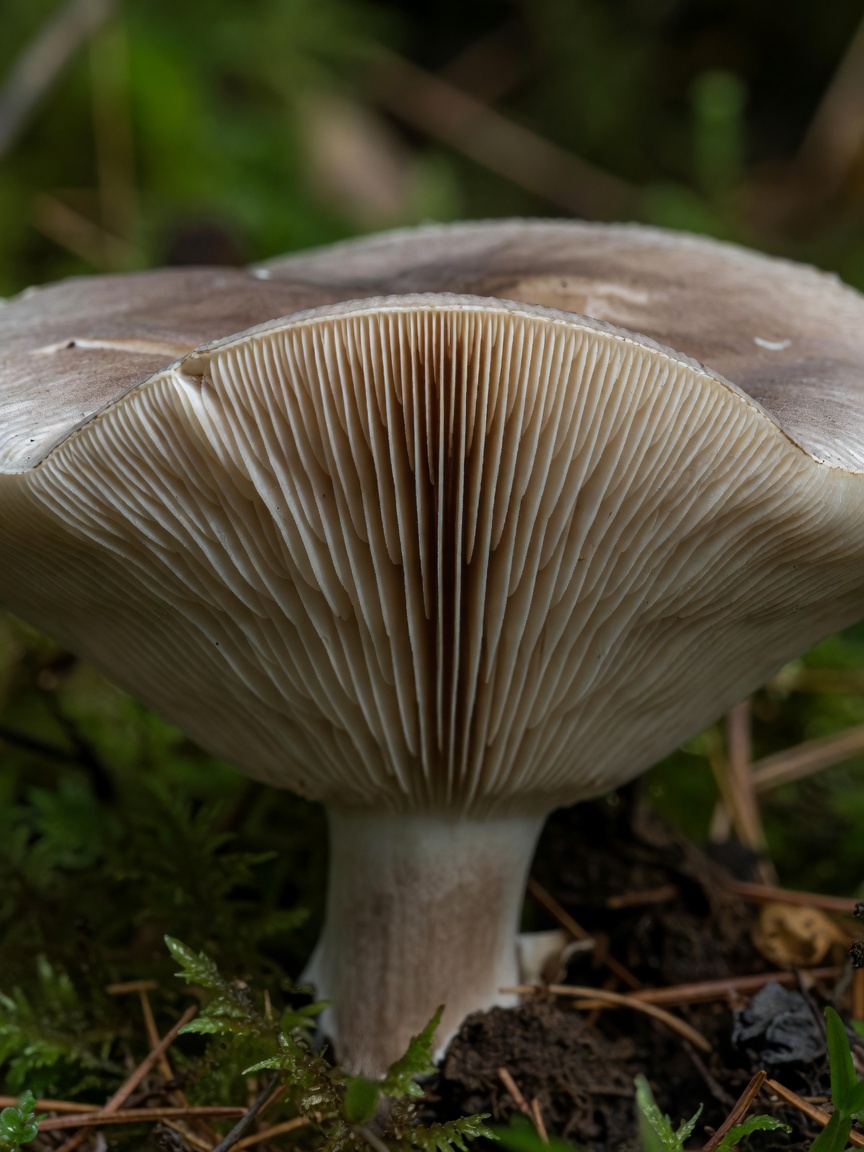
The forest enters the room
Mushroom-led dining is an approach rather than a protected category. One restaurant may build a course around a roasted fruiting body; another may use a restrained spoonful of broth to connect vegetables, grains and game.
Our focus is the contemporary Nordic interpretation: seasonal thinking, a dialogue with local landscapes, and techniques that continue beyond the brief arrival of a fresh ingredient.
“Wild,” “local” and “Nordic” do not, by themselves, establish safety or environmental performance. We treat them as the beginning of a conversation.
This is culinary and dining information, not mushroom identification advice. Do not identify or eat a wild mushroom using an article, photograph or restaurant description.
Read our editorial methodA language of fungi
Controlled moisture and a hot surface can give mushrooms browned edges while preserving a yielding centre. A sauce is a separate decision, not a substitute for texture.
Explore kitchen techniqueBroths and reductions carry savoury flavour with less physical weight. Their balance depends on concentration, salt, acidity and the ingredients surrounding them.
Read the ingredient glossary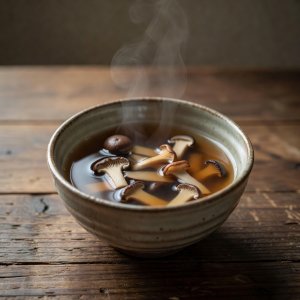
Seasons shape the menu
Rain, temperature, habitat and region affect availability. A menu may combine cultivated mushrooms, fresh wild supplies and ingredients preserved months earlier. That is a sourcing story worth understanding, not a contradiction to conceal.
| Menu rhythm | Possible kitchen response | A useful question |
|---|---|---|
| Fresh arrivals | Simply cooked mushrooms with short storage | Where did this batch come from? |
| Abundant supply | Drying, freezing or other controlled preservation | Which elements were preserved in-house? |
| Limited wild supply | Cultivated mushrooms or a changed course | How does the menu adapt? |
| Cold-season service | Stored ingredients alongside winter produce | What gives this course its seasonal connection? |
Modern Nordic interpretations
These are reference points for understanding a culinary movement, not a list of mushroom-only restaurants or a promise about tonight’s menu. Images evoke dining settings and do not document the named venues.
A prominent reference for research-led Nordic cooking and preservation. Check the official site for its evolving activities and any visit opportunities.
Read the context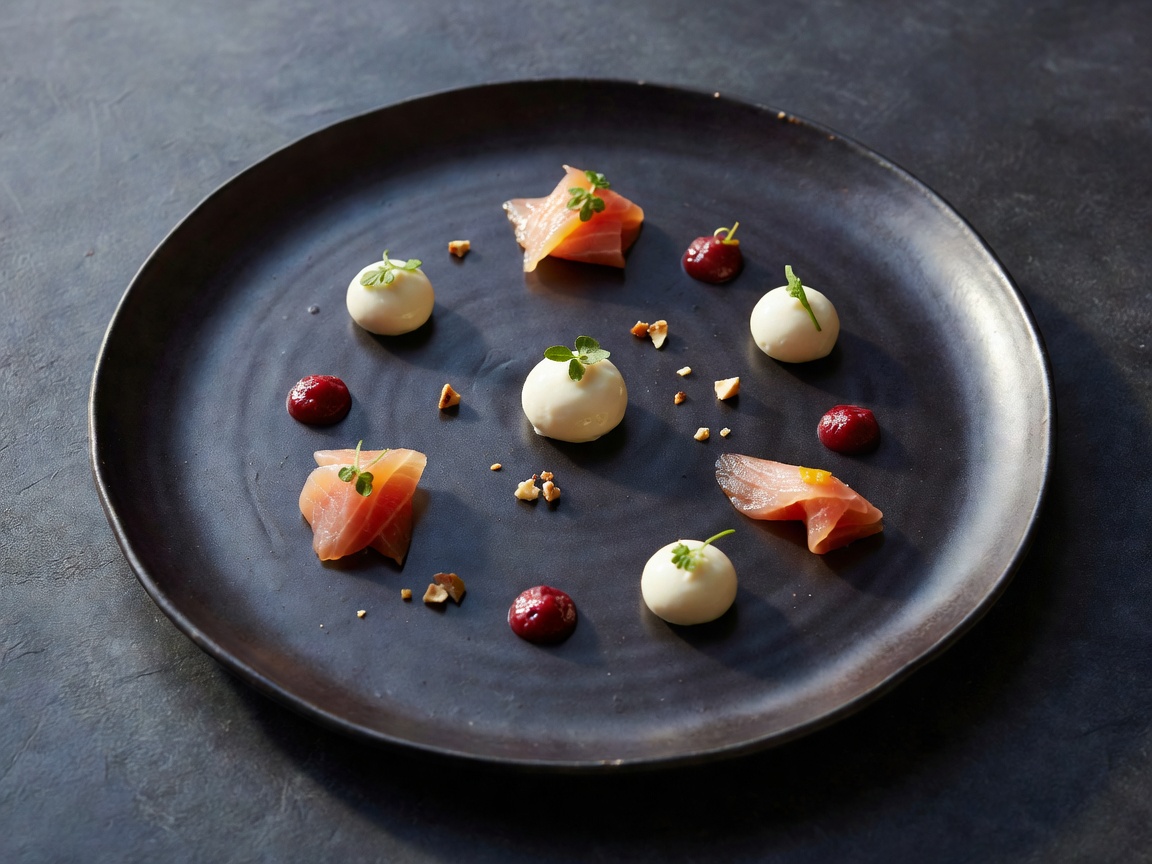
A useful lens on a highly composed Norwegian tasting-menu setting, where a sense of place must be read through the whole meal.
Explore the interpretationThe considered reservation
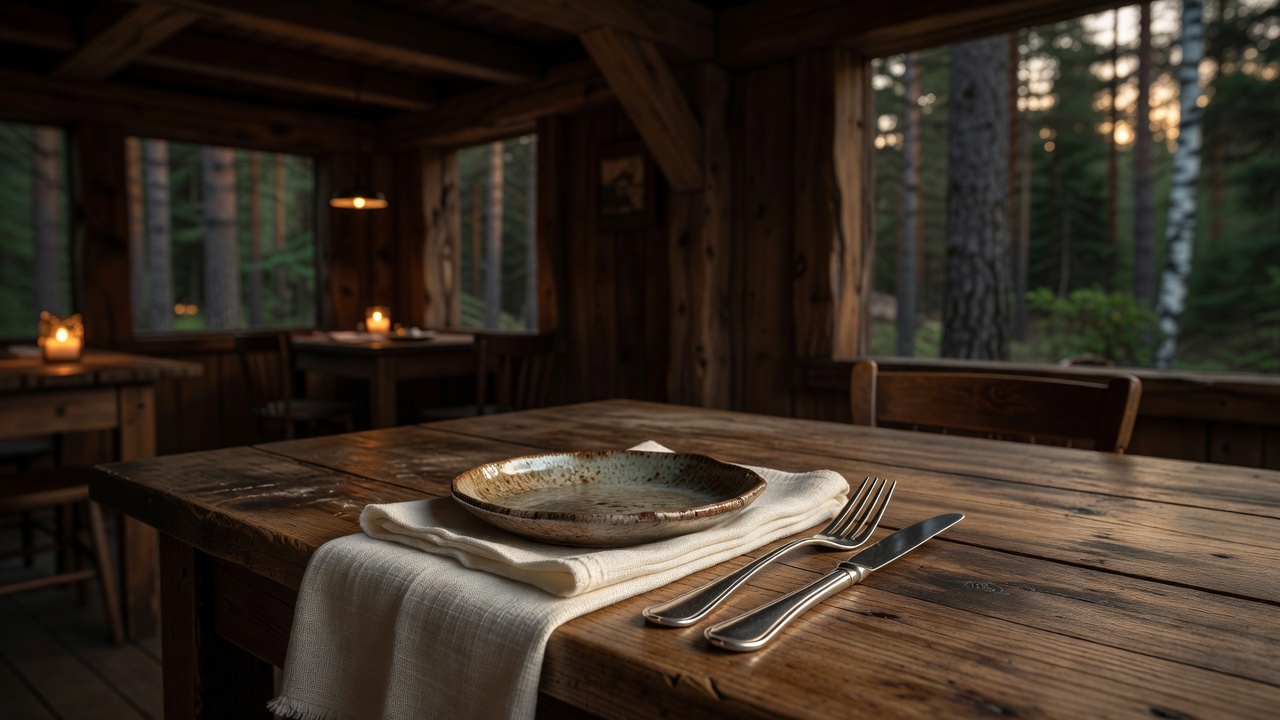
Can the kitchen accommodate your dietary needs? Is mushroom-led dining central to this menu or only an occasional course? What happens when the expected supply does not arrive?
Open the diner’s checklistNotes to take further
Wild versus cultivated, menu seasonality, dietary boundaries and what “Nordic” can mean.
Read the FAQShare a source, suggest a clearer distinction or prepare a note for the editorial desk. Our correspondence tool sends nothing.
Write a correspondence draftYour privacy choices Some cookies are needed for the site to work. Others help us understand how it is used. You can change your choice later. Read more